UK iGaming Sector Prepares for Sweeping 2026 Regulatory Shifts

Significant reforms to the UK's online gambling framework take effect throughout 2026, reshaping how operators manage remote gaming duty, stake limits, player checks, and promotions while strengthening enforcement against illegal sites. These changes, scheduled to roll out in phases, target improved player protection alongside greater transparency for the iGaming market.
Remote Gaming Duty Increase Takes Effect in April
The Remote Gaming Duty rises to 40 percent starting April 1, 2026, marking a notable adjustment for operators who must recalibrate their financial models accordingly. This adjustment applies across online slots and other remote gaming products, directly influencing cost structures while the government channels additional resources toward regulatory oversight. Operators have begun adjusting pricing and promotional strategies in advance, since the higher rate compresses margins and requires precise compliance planning.
Tiered Stake Limits Roll Out for Online Slots
Statutory stake limits on online slots follow a tiered structure based on player age, with £2 per spin applying to those aged 18 to 24 and £5 per spin for players 25 and older; these limits have been in place since early 2026. The differentiated approach reflects data on age-related vulnerability patterns, and operators must implement technical controls to enforce the caps automatically. As of June 30, 2026, systems display clear separation and labeling for these limits to ensure players encounter transparent boundaries during gameplay.
Frictionless Financial Vulnerability Checks Become Standard
Frictionless financial vulnerability checks integrate into operator platforms without disrupting the user experience, allowing real-time assessment of spending patterns against available financial indicators. These checks replace more intrusive processes while maintaining the goal of identifying potential harm early. Data from regulatory consultations guided the design, ensuring operators can flag accounts showing signs of financial strain and apply appropriate interventions seamlessly.
Ban on Mixed-Product Bonuses Reshapes Promotions
A ban on mixed-product bonuses prevents operators from combining incentives across different game types in single offers, which forces clearer segmentation in marketing campaigns. This measure aims to reduce confusion for players and limit cross-selling tactics that might encourage extended play. Companies have revised their bonus structures to comply, focusing instead on product-specific rewards that align with the new rules while still attracting customers.
Enhanced Enforcement Targets Illegal Offshore Operators
The UK Gambling Commission receives extra government funding to intensify enforcement against illegal offshore sites, enabling faster blocking measures and coordinated action with payment providers. This initiative builds on existing efforts to redirect players toward licensed platforms where consumer protections apply. Observers note that the additional resources support ongoing monitoring and swift responses to emerging threats in the unregulated market.
Broader Impacts on Operators and Market Dynamics
Collectively these reforms affect operator costs through higher duty payments, mandatory system upgrades for stake limits and checks, and revised promotional strategies following the mixed-bonus prohibition. Licensed operators must balance compliance investments against competitive pressures, while the emphasis on transparency encourages clearer communication of game rules and responsible gambling tools. Research indicates that such measures have historically correlated with shifts in player behavior toward more regulated environments.
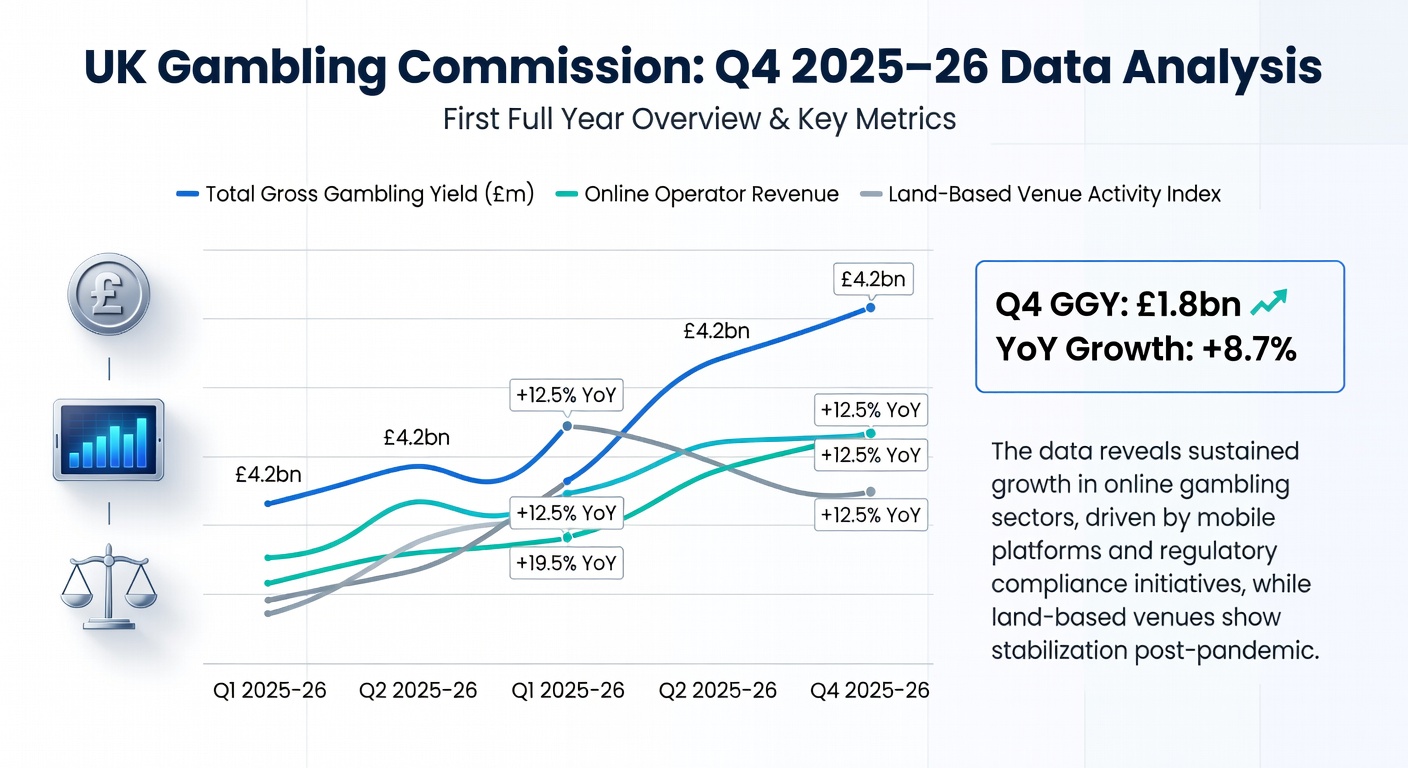
Stake limits under scrutiny show continued growth in gross gaming yield despite the caps, suggesting adaptation within the legal framework. Operators report that technical standards updates, available through the UK Gambling Commission, provide detailed guidance on implementation timelines and verification processes. Those who studied previous regulatory cycles recognize that early preparation reduces disruption when new rules activate.
Conclusion
The 2026 reforms consolidate several strands of regulatory evolution into a cohesive package that prioritizes harm reduction while maintaining market integrity. Duty adjustments, age-tiered stakes, seamless checks, bonus restrictions, and bolstered offshore enforcement operate together to create a more structured environment for online slots and iGaming. Operators continue adapting systems and strategies as the June 30, 2026 compliance milestones approach, ensuring alignment with the updated framework.