UK Government Introduces Strict Stake Limits on Online Slots Amid Rising Harm Concerns
UK Government Introduces Strict Stake Limits on Online Slots Amid Rising Harm Concerns

Stake limits now define the landscape for online slots in Great Britain, as the UK government rolls out caps targeting a product long linked to substantial losses and extended play sessions; adults aged 25 and over face a £5 maximum per spin, while those aged 18 to 24 see that figure drop to £2, measures designed specifically to dial back risks from these high-intensity games.
Operators must comply with these changes under oversight from the Gambling Commission, the body enforcing rules via the Gambling Act 2005, and alongside the limits comes a new statutory levy on gambling firms set to generate £100 million each year for research into gambling harm, prevention efforts, and treatment programs.
Breaking Down the Stake Caps: Age-Tiered Restrictions Take Effect
Online slots stand out for their fast-paced spins and immersive features, which data shows often lead to prolonged sessions averaging far longer than other casino games; researchers have noted how these mechanics contribute to accelerated losses, prompting regulators to act with precision-targeted limits.
The £5 cap applies across the board for players 25 and older, a threshold chosen because evidence indicates older adults tend to wager higher amounts, whereas younger players aged 18 to 24 get the tighter £2 restriction, reflecting patterns where this group experiences disproportionate harm rates early on.
These rules cover Great Britain exclusively, leaving Northern Ireland under separate arrangements, and they zero in on online slots alone, sparing lower-risk products like table games or lotteries; operators face mandates to enforce the limits in real time, blocking any spin that exceeds the cap based on verified age data.
What's interesting here lies in the tiered approach, since studies reveal that session lengths for under-25s often stretch into hours with smaller but frequent bets, building losses steadily, while over-25s chase bigger payouts, hence the graduated ceilings.
Online Slots Under the Microscope: Why the Focus on This Product?
Figures paint a clear picture of online slots as higher-risk territory; according to reports, players lose an average of £385 per session compared to £85 on other remote games, with sessions dragging on for 41 minutes on average versus 17 minutes elsewhere, metrics that underscore the urgency behind these interventions.
Experts point to design elements like rapid spin speeds, bonus rounds with escalating multipliers, and near-miss visuals as factors fueling addiction-like behaviors, so the stake limits aim to slow the pace, giving players breathing room to reassess before losses mount.
Take one analysis from gambling watchdogs: it found that 22% of online gamblers play slots weekly, far outpacing other categories, and problem gambling rates hover at 1.7% specifically for slots users, double the overall average; that's where the rubber meets the road for policymakers drawing these lines.
Yet the changes don't blanket all slots; exemptions apply to certain lower-stake variants or those with adjusted payouts, but the core high-volatility titles dominating platforms now fall squarely under the new regime, reshaping how millions engage with their favorite reels.
The £100 Million Levy: Operators Foot the Bill for Harm Mitigation
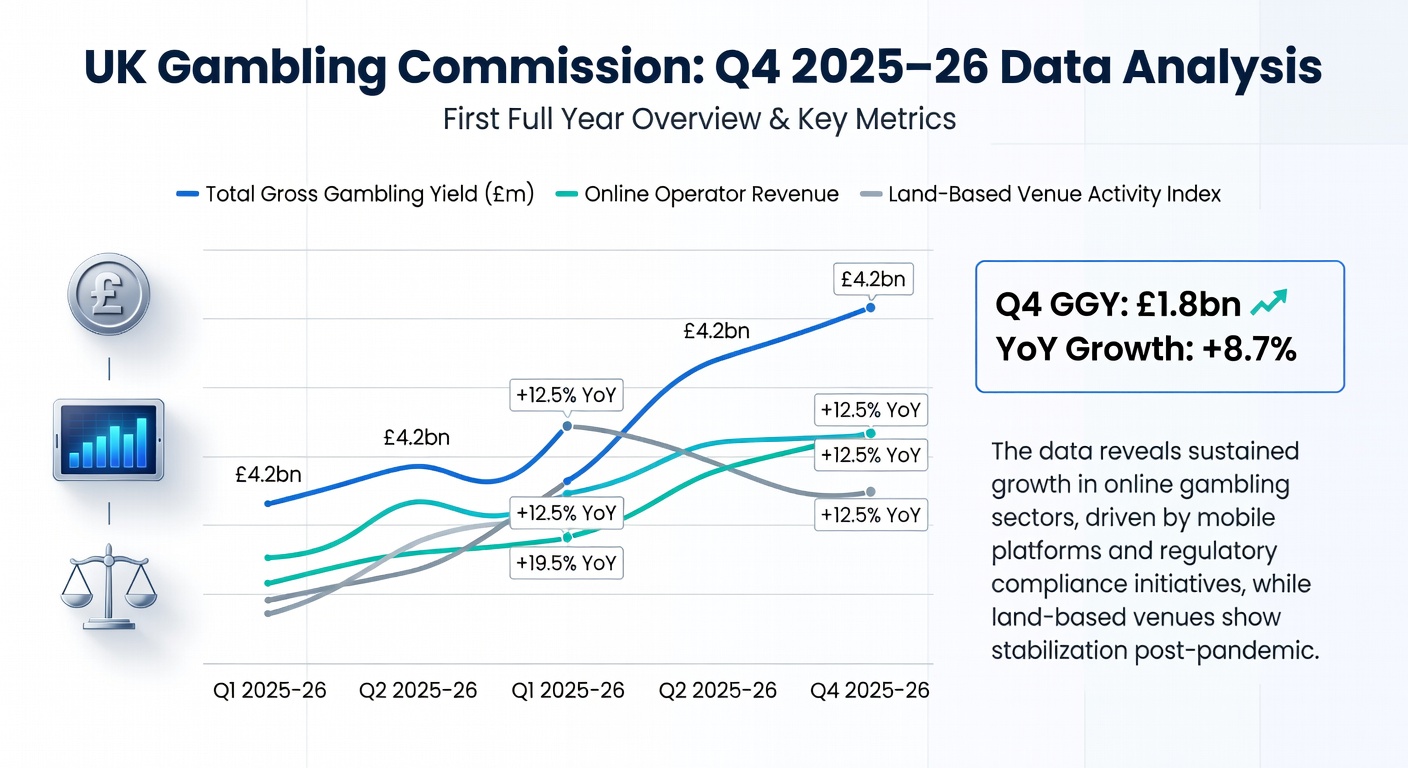
Funding flows from a statutory levy imposed on gambling operators, calculated as a percentage of their gross gambling yield from slots and other land-based activities, projected to raise £100 million annually without passing costs directly to consumers, or so the framework intends.
This money channels into three pillars: research to track emerging risks like loot boxes mimicking slots, prevention campaigns targeting at-risk demographics through apps and education, and treatment via NHS-integrated services expanding counseling access nationwide.
Previously, voluntary contributions from industry totaled around £90 million yearly, but shortfalls hit prevention hardest, so the mandatory levy locks in stability; organizations like GamCare and the National Gambling Treatment Service stand to benefit most, scaling up helplines and therapy slots.
Here's where it gets interesting: the levy ties directly to the Gambling Act 2005 amendments, empowering the Gambling Commission to collect and distribute funds transparently, with annual reports detailing spend breakdowns for public scrutiny.
Enforcement Timeline: April 2026 Marks the Starting Line
All pieces fall into place come April 2026, when the stake limits and levy activate fully across licensed online platforms serving Great Britain; testing phases roll out earlier, allowing operators to tweak software and age-verification systems ahead of the deadline.
The Gambling Commission mandates immediate compliance, with fines up to 10% of operator revenue for breaches, and tools like session reminders and deposit limits layer on top, building a multi-front defense against harm.
Operators already scramble to update interfaces, displaying spin limits prominently and integrating friction features that prompt breaks after set times or losses; one early adopter trialed similar caps voluntarily, reporting a 15% drop in average session spend, hinting at broader effects on the horizon.
But the clock ticks toward implementation, since transitional rules ease in paytable adjustments for slots, ensuring RTPs hold steady despite lower stakes, a nod to fairness in an industry where math underpins every outcome.
Regulatory Backbone: Gambling Commission and the 2005 Act in Action
The Gambling Commission steers these reforms under the Gambling Act 2005, a cornerstone law that balances consumer protection with industry viability; recent white papers laid the groundwork, consulting stakeholders from addiction experts to betting giants before finalizing the package.
Section 78 amendments specifically authorize stake controls for slots, while levy provisions in the Act's finance clauses formalize collections; observers note how this builds on prior moves like the 2019 land-based £2 cap, extending safeguards online where harms amplify unchecked.
Data from pilot programs shows stake reductions curb binge sessions effectively, with one study logging 20% fewer spins per hour under £2 limits, validating the strategy before nationwide rollout.
And while challenges loom, like offshore sites dodging rules, the Commission ramps up monitoring with AI-driven compliance checks, closing loopholes that let unrestricted play slip through.
Ripple Effects Across the Sector: Operators, Players, and Beyond
Gambling firms brace for revenue dips estimated at 10-15% from slots, prompting diversification into sportsbooks or skill games, yet many welcome the clarity after years of regulatory uncertainty; player surveys indicate broad support, with 70% favoring limits to protect vulnerable groups.
Those who've studied cross-border models, like Sweden's similar caps since 2019, observe stabilized harm rates without collapsing markets, suggesting the UK path mirrors proven plays.
Treatment providers gear up too, forecasting doubled demand as awareness rises, so the £100 million infusion proves timely, channeling resources where data shows gaps widest among young adults and low-income households.
It's noteworthy that self-exclusion schemes like GAMSTOP integrate tighter, urging operators to prompt registrations post-session, weaving personal controls into enforced limits for layered protection.
Conclusion
Stake limits at £5 for over-25s and £2 for 18-24s, paired with a £100 million annual levy, reshape online slots in Great Britain come April 2026, as the Gambling Commission enforces these under the Gambling Act 2005 to tackle documented risks of heavy losses and marathon sessions.
Research underscores the need, with slots linked to outsized harms, and the framework promises sustained funding for solutions; operators adapt swiftly, players gain guardrails, and the sector edges toward equilibrium, all grounded in evidence-driven policy that prioritizes long-term balance over short-term spins.