Symbol Clusters and Grid Dynamics: Examining RTP Redistribution and Prolonged Sessions in Modern Slot Designs
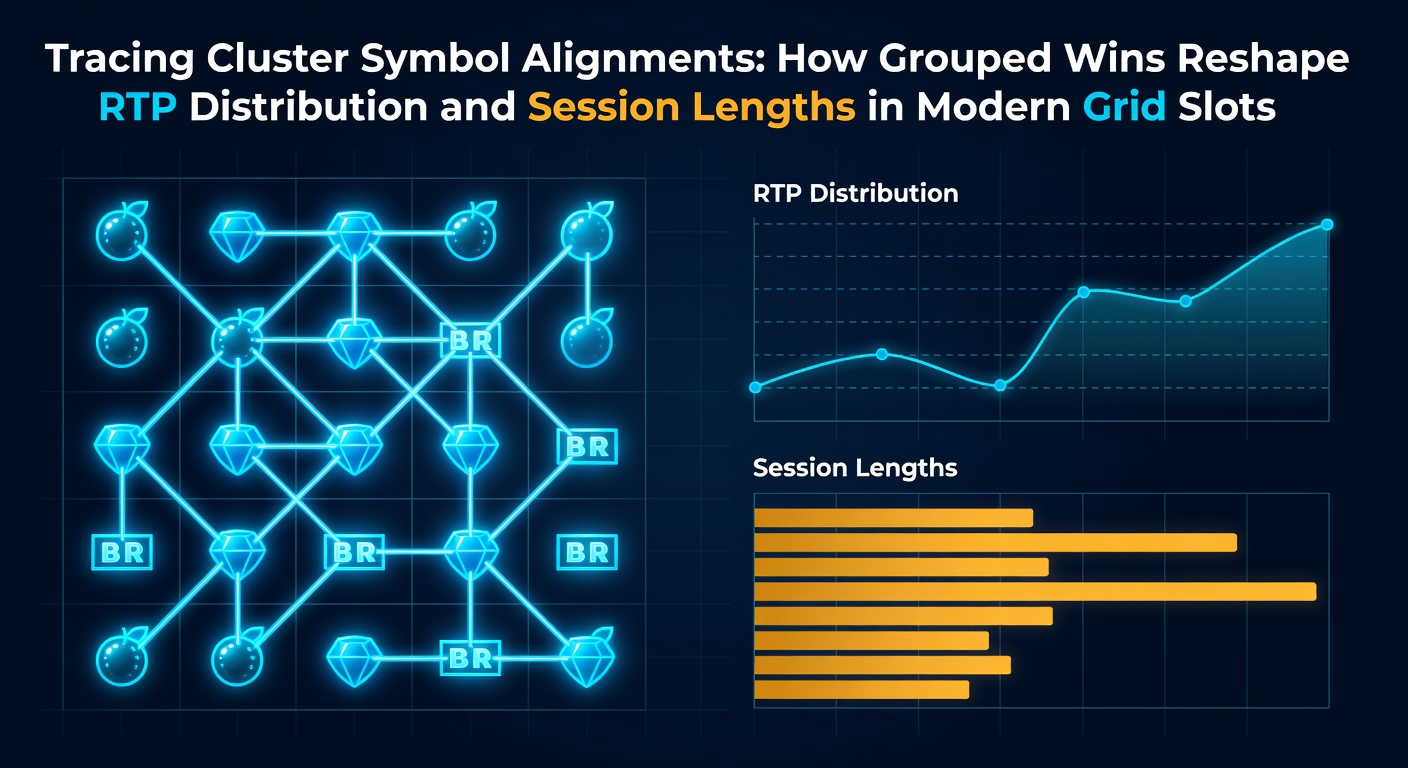
Cluster symbol alignments operate through grouped matches rather than fixed paylines, and this mechanic redistributes RTP across multiple small to medium outcomes in grid-based slots. Data from gaming laboratories shows that cluster systems allocate portions of the theoretical return to frequent adjacent symbol collections, which alters the payout spread compared to traditional reel formats. Observers note that these alignments often trigger chain reactions where removed symbols allow new ones to fall into place, creating extended sequences within a single spin.
Mechanics of Cluster Formation in Grid Slots
Modern grid slots employ rectangular or hexagonal arrangements where symbols must connect horizontally or vertically in groups of five or more to register a win, and this setup replaces scattered payline evaluations with contiguous blocks. Researchers from industry testing facilities have documented that cluster sizes scale with payout multipliers, so a group of eight matching symbols delivers returns that exceed those from minimal clusters while still contributing to the overall RTP percentage. Game developers program these thresholds into the math models, which means the distribution of returns shifts toward more incremental awards rather than isolated high-value line hits.
Session lengths extend when cluster mechanics incorporate cascades or tumbles because each successful alignment clears space for additional symbols to descend and potentially form new groups without requiring another bet. Figures from operational analytics reveal that average play duration increases by measurable margins in titles featuring persistent cluster chains, since players remain engaged through successive resolutions within the same wager cycle.
RTP Redistribution Patterns
RTP in cluster grid formats spreads across base game alignments, bonus triggers, and multiplier applications rather than concentrating on jackpot contributions alone. According to reports from the Nevada Gaming Control Board, cluster-driven games demonstrate RTP components where 60 to 70 percent of returns derive from repeated small cluster formations, leaving the remainder for feature rounds and special symbols. This allocation differs from line-based slots where fewer but larger line wins account for higher percentages of the total return.
Grid expansions during play, such as growing from 5x5 to 8x8 layouts upon cluster completions, further influence distribution by increasing available positions for future alignments. Studies conducted by academic teams at institutions like the University of Nevada have tracked how these expansions correlate with adjusted hit frequencies, showing that larger grids sustain longer chains and thereby smooth RTP delivery over extended sequences.
Impact on Session Lengths and Player Engagement
Session lengths in cluster grid slots often stretch because the mechanic rewards continued symbol falls without additional stakes, and tracking data from platform operators indicates average spins per session rise when cascades persist beyond three or four iterations. What's interesting is how this pattern emerges consistently across titles released in recent years, where cluster density directly ties to retention metrics without altering the underlying RTP. Players encounter more decision points during active chains, such as optional holds or feature selections, which compounds the time spent per initial wager.
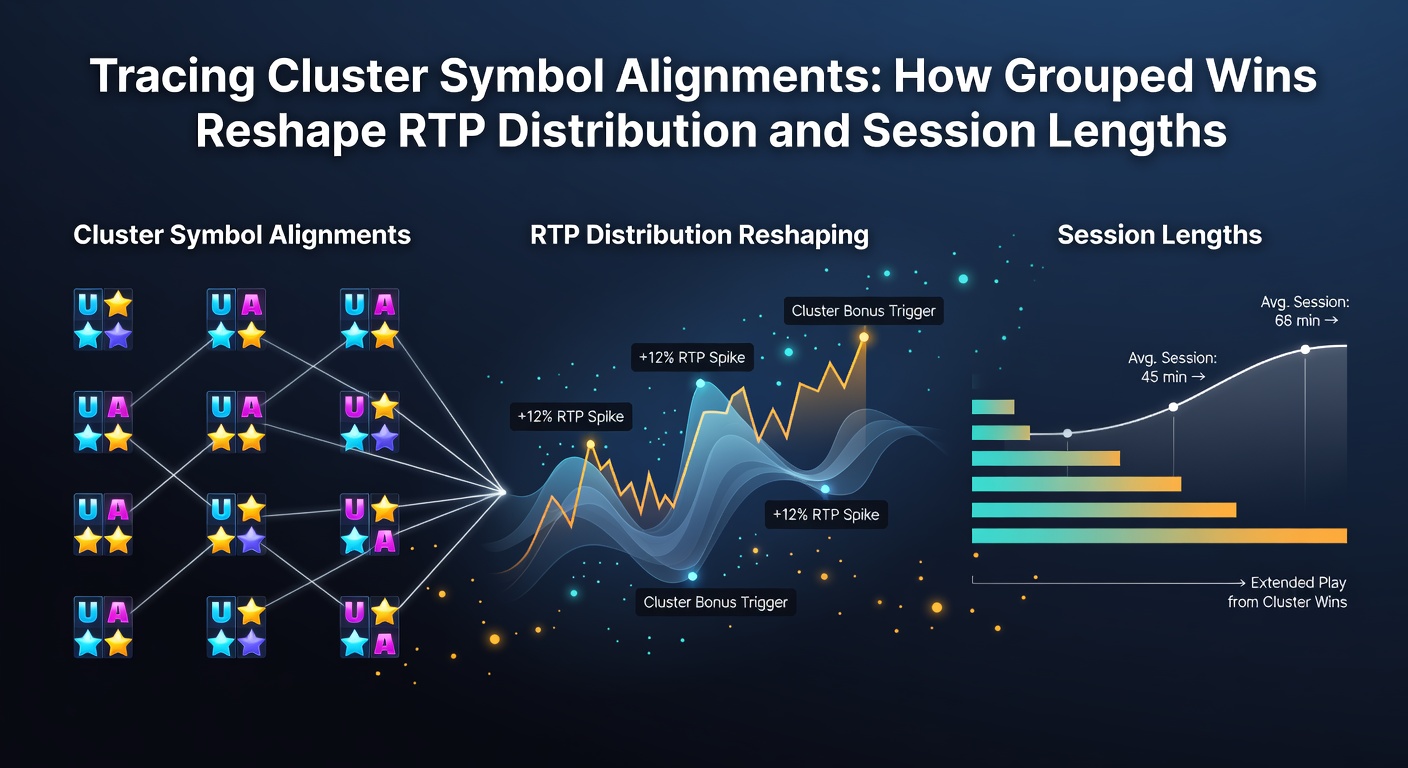
Regulatory updates scheduled for June 2026 in several jurisdictions will require enhanced disclosure of cluster frequency rates in game rules, and this change stems from efforts to standardize information on how grouped wins affect both RTP variance and typical play durations. Industry organizations like the American Gaming Association have compiled datasets showing that transparent cluster statistics help clarify expected session behaviors across different grid sizes and volatility settings.
Comparative Analysis with Traditional Formats
Traditional payline slots distribute RTP through fixed line evaluations that trigger independently, whereas cluster alignments require spatial proximity and thus create interdependent win opportunities within each spin cycle. Evidence from comparative lab reports highlights that cluster systems reduce the incidence of zero-return spins by filling gaps with new symbols, which in turn extends the number of resolved outcomes per bet and reshapes the overall RTP curve toward steadier increments.
Grid slots with cluster features also incorporate wild substitutions that expand existing groups or bridge separate clusters, and this integration further modulates RTP by converting near-miss configurations into partial or full alignments. Data indicates these substitutions account for measurable portions of the return in high-grid titles, particularly when multipliers attach to enlarged clusters during bonus phases.
Tracking Distribution Shifts Through Game Metrics
Platform telemetry captures cluster win distributions in real time, revealing how specific grid dimensions influence the frequency of five-symbol versus twelve-symbol groups and their respective RTP contributions. Those who've analyzed aggregated logs from multiple titles observe that hexagonal grids produce different alignment probabilities than square ones because of altered adjacency rules, leading to adjusted session length profiles. These variations appear consistently in testing environments before commercial release.
Bonus rounds in cluster grids frequently build upon base alignments by requiring cumulative cluster counts to unlock stages, and this layering distributes RTP across both regular play and feature sequences. Reports from Canadian gaming authorities document that such structures maintain overall RTP targets while varying the pace at which returns accrue, resulting in sessions that adapt dynamically to cluster density.
Conclusion
Cluster symbol alignments in modern grid slots reshape RTP distribution by spreading returns across grouped formations and chain reactions, while simultaneously extending session lengths through sustained cascades and grid expansions. Data from regulatory bodies and research institutions continues to map these effects across evolving game designs, providing clear metrics on how spatial mechanics alter both payout patterns and play duration without reliance on traditional line structures. As grid formats advance, the interplay between cluster size thresholds and RTP allocation remains central to understanding session behaviors in these environments.