Mapping Symbol Distribution Patterns in Themed Reel Designs and Connections to Prolonged Play Sequences
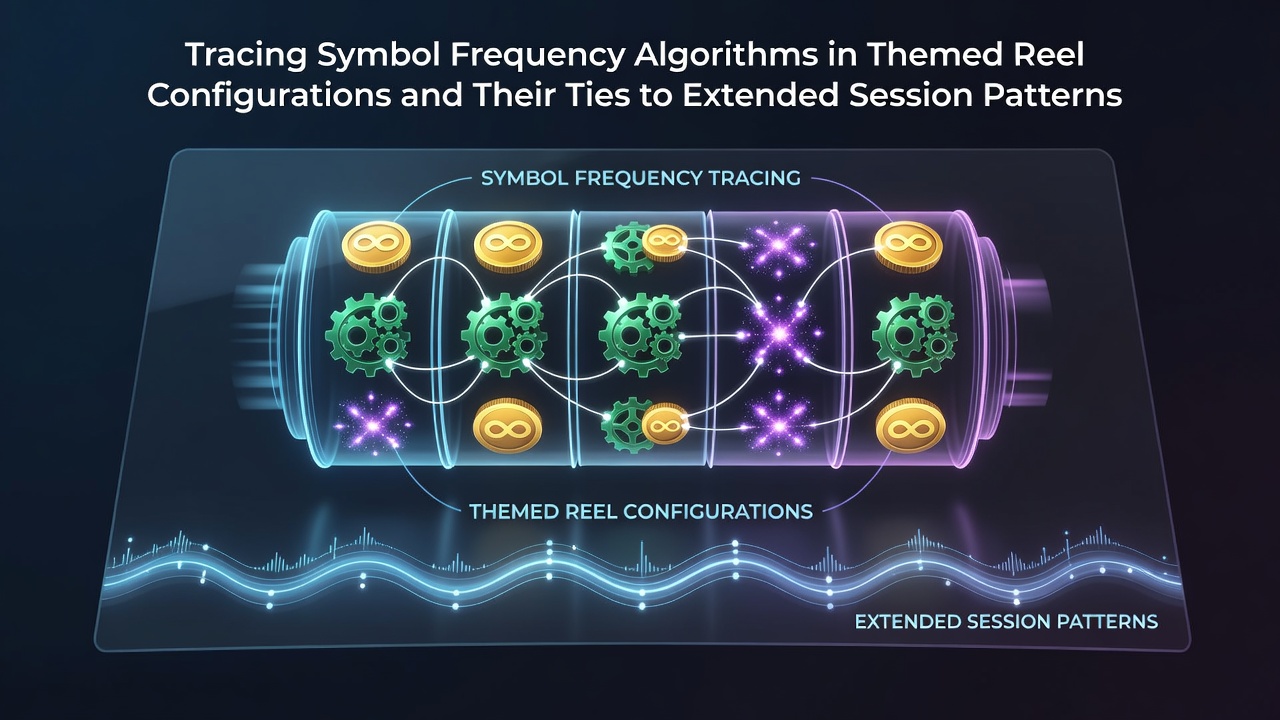
Symbol frequency algorithms form the backbone of modern reel-based gaming systems, dictating how often specific icons appear across virtual or physical reels while adapting to thematic elements such as ancient civilizations, fantasy worlds, or popular media franchises. These algorithms operate through pseudorandom number generators calibrated to predefined probability tables that shift based on reel configuration, and developers adjust weighting for each symbol to maintain consistent return-to-player percentages across different themes. Researchers examining these systems note that themed adaptations often involve layered weighting where high-value symbols receive reduced frequency in early reels while lower-value icons increase in density to sustain visual engagement during extended sequences.
Core Mechanics of Frequency Calibration in Themed Setups
Frequency calibration begins with base probability matrices that assign hit rates to each symbol, yet themed reels introduce modifiers that alter these rates dynamically as players progress through bonus features or consecutive spins. Data from technical reviews shows that a standard five-reel configuration might allocate a 15 percent hit rate to a theme-specific wild symbol on the third reel while restricting the same icon to 4 percent on the first reel, and this uneven distribution creates visual clustering that players associate with momentum during longer sessions. Engineers integrate these adjustments through iterative testing cycles that simulate millions of spins to verify compliance with jurisdictional standards, and the process ensures that theme transitions do not disrupt overall mathematical integrity.
Multiple reel configurations further complicate frequency tracking because each theme variant maintains separate lookup tables that activate based on player selection or game mode. Observers tracking industry practices report that developers commonly employ segmented arrays where one table governs base game frequencies while another handles free-spin modes with boosted symbol appearances, and this segmentation allows extended sessions to exhibit distinct rhythm patterns without altering the core random number generator seed.
Links Between Frequency Algorithms and Session Duration Patterns
Extended session patterns emerge when frequency algorithms produce sequences of near-misses or incremental symbol builds that encourage continued play, and studies of reel behavior reveal correlations between clustered low-to-medium value symbols and average session lengths exceeding 200 spins. These patterns arise because algorithms prioritize visual continuity over immediate high-value outcomes in many themed titles, creating chains of partial alignments that register as progress to the player. Technical analyses conducted across various gaming jurisdictions demonstrate that sessions exceeding 150 spins show elevated occurrences of mid-tier symbol combinations in the middle reels, a distribution deliberately engineered to sustain engagement without exceeding regulatory volatility thresholds.
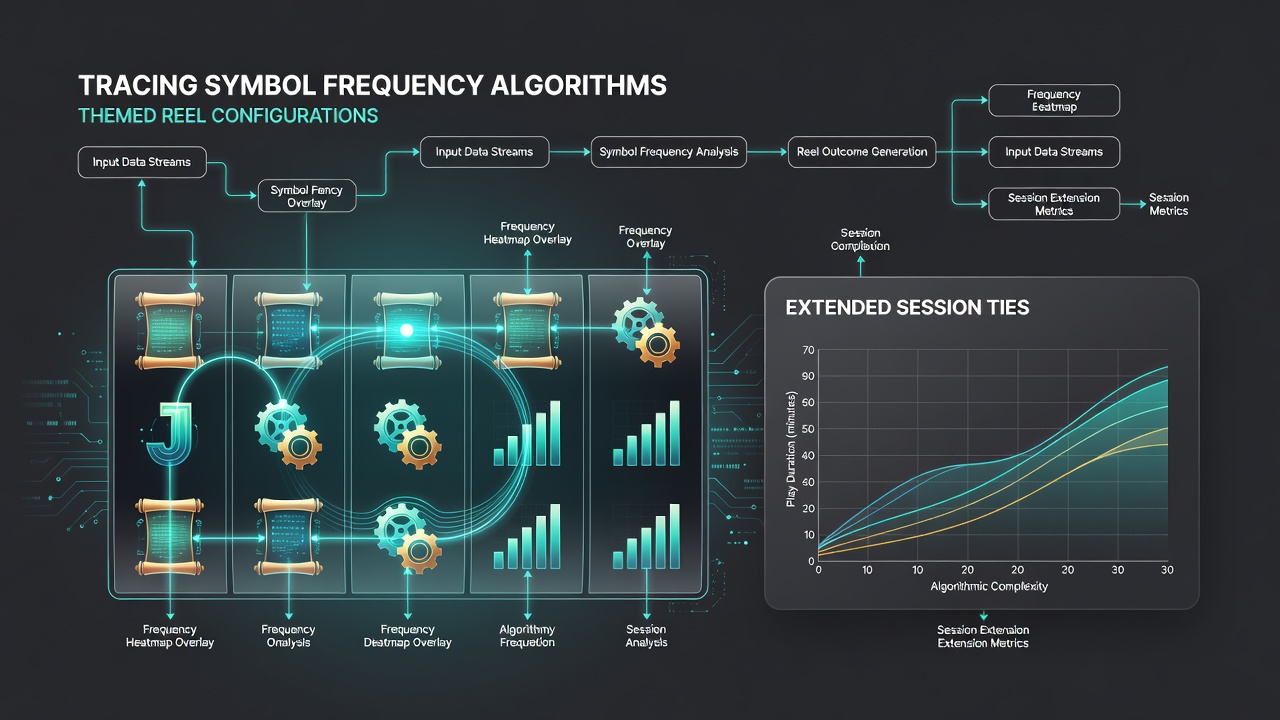
Session tracking data collected from operator systems indicates that players who encounter themed symbol progressions, such as accumulating character icons toward a feature trigger, maintain play for measurably longer intervals than those facing uniform random distributions. The algorithms achieve this effect by modulating symbol density across consecutive spins, and one documented approach involves temporary elevation of connecting symbols after every 20 to 30 spins to reinforce perceived momentum. Gaming laboratories verify these behaviors through standardized test suites that log every symbol outcome, allowing precise mapping of frequency shifts against recorded session timestamps.
Regulatory and Technical Standards Influencing Algorithm Design
Standards organizations such as the Nevada Gaming Control Board require transparent documentation of all frequency tables before approving themed configurations for deployment, and similar requirements appear in Canadian provincial frameworks where independent test houses must certify that symbol weighting remains consistent across extended play cycles. Updates scheduled for implementation in June 2026 emphasize enhanced logging of frequency changes during live sessions, requiring operators to retain granular data on symbol occurrences per reel position for audit purposes. These forthcoming measures aim to strengthen traceability without restricting creative theme development, and developers have already begun adjusting internal validation protocols to accommodate the expanded reporting demands.
Academic examinations of random number generator behavior, including work published through institutions such as the International Journal of Gaming and Computer-Mediated Simulations, explore how frequency algorithms interact with player retention metrics over prolonged periods. Findings from these studies highlight that themed reels incorporating adaptive symbol frequencies generate measurable differences in session length distributions compared with static configurations, and the research underscores the importance of maintaining uniform randomness even when visual themes suggest otherwise.
Implementation Challenges Across Diverse Reel Architectures
Engineers face ongoing challenges when scaling frequency algorithms to support both traditional three-reel layouts and modern Megaways-style configurations that expand reel positions dynamically. Themed elements add further complexity because character-specific symbols often require unique weighting rules that must integrate seamlessly with the base generator, and mismatches in these rules can produce unintended session pattern deviations. Testing protocols now incorporate multi-theme regression suites that simulate player switching between configurations mid-session, ensuring that frequency integrity holds across transitions and that extended play sequences remain statistically consistent regardless of theme selection.
Conclusion
Symbol frequency algorithms in themed reel configurations continue to evolve alongside advances in random number generation and regulatory oversight, with documented ties to session duration patterns emerging from precise calibration of hit rates and visual clustering. As technical standards advance toward June 2026, the emphasis on verifiable logging and cross-jurisdictional consistency will shape how developers balance thematic creativity with mathematical transparency, and ongoing research into these systems provides clearer insight into the mechanisms that influence extended play trajectories across global gaming markets.