Illicit Casino Network Draws 2.3 Million UK Visitors Monthly, Sidesteps Self-Exclusion Barriers
Illicit Casino Network Draws 2.3 Million UK Visitors Monthly, Sidesteps Self-Exclusion Barriers

Unveiling the Hidden Empire
An investigation has exposed a sprawling network of illegal online casinos preying on UK gamblers, pulling in massive traffic while flouting licensing rules and dodging self-exclusion tools like GamStop. Sites such as MyStake, Velobet, and Goldenbet sit at the heart of this operation, tied together through secretive ties to a company called Santeda and Georgian businessmen operating via Upgaming. These platforms, lacking any approval from the Gambling Commission, have racked up an average of 2.3 million unique UK visitors each month from November 2025 through January 2026, according to data from the probe. That's a staggering figure, especially since the sites actively marketed high-stakes slot games to players showing signs of vulnerability, leading directly to reports of fraud, severe financial damage, and even at least one confirmed suicide linked to the fallout.
Researchers tracking online gambling patterns uncovered these connections after months of digging into traffic sources, corporate registries, and payment flows; they revealed how the network funneled players from one unlicensed site to another, creating a seamless loop that kept money circulating despite regulatory red flags. And while the operation targeted Brits specifically—promising quick wins on slots amid economic pressures—the setup relied on offshore structures that made enforcement tricky, with servers bouncing across jurisdictions far from UK oversight. Now, as April 2026 unfolds, calls grow louder for swift crackdowns, building on fresh funding injections aimed at rooting out such shadows.
Mapping the Operators and Their Ties
MyStake emerged as a flagship in this rogue fleet, boasting flashy promotions for slots that promised big payouts but delivered none of the protections UK law demands; Velobet followed suit, layering on sports bets alongside casino games to broaden its lure, while Goldenbet rounded out the trio with aggressive bonuses tailored for high-volume UK play. Behind the scenes, Santeda served as the shadowy parent entity, channeling operations through Upgaming—a platform linked to Georgian businessmen who leveraged Eastern European tech to keep things under the radar. Data indicates these links surfaced through shared payment processors, identical backend software, and mirrored marketing tactics, all designed to evade detection while amassing UK punters.
Take one thread investigators followed: IP addresses traced back to Georgian servers hosted the games, yet front-end designs mimicked licensed UK sites to build false trust; players signing up often encountered seamless deposits via familiar e-wallets, only to find withdrawals stalled amid endless verification loops. Observers who've pored over similar setups note how Upgaming's role extended beyond tech support—it facilitated the network's scalability, allowing rapid site launches that targeted search terms Brits used for slots and quick-cash games. But here's the thing: without Gambling Commission licenses, these operations exposed users to unchecked odds manipulations and data breaches, amplifying risks in ways licensed venues can't.
Traffic Surge and GamStop Evasion Tactics
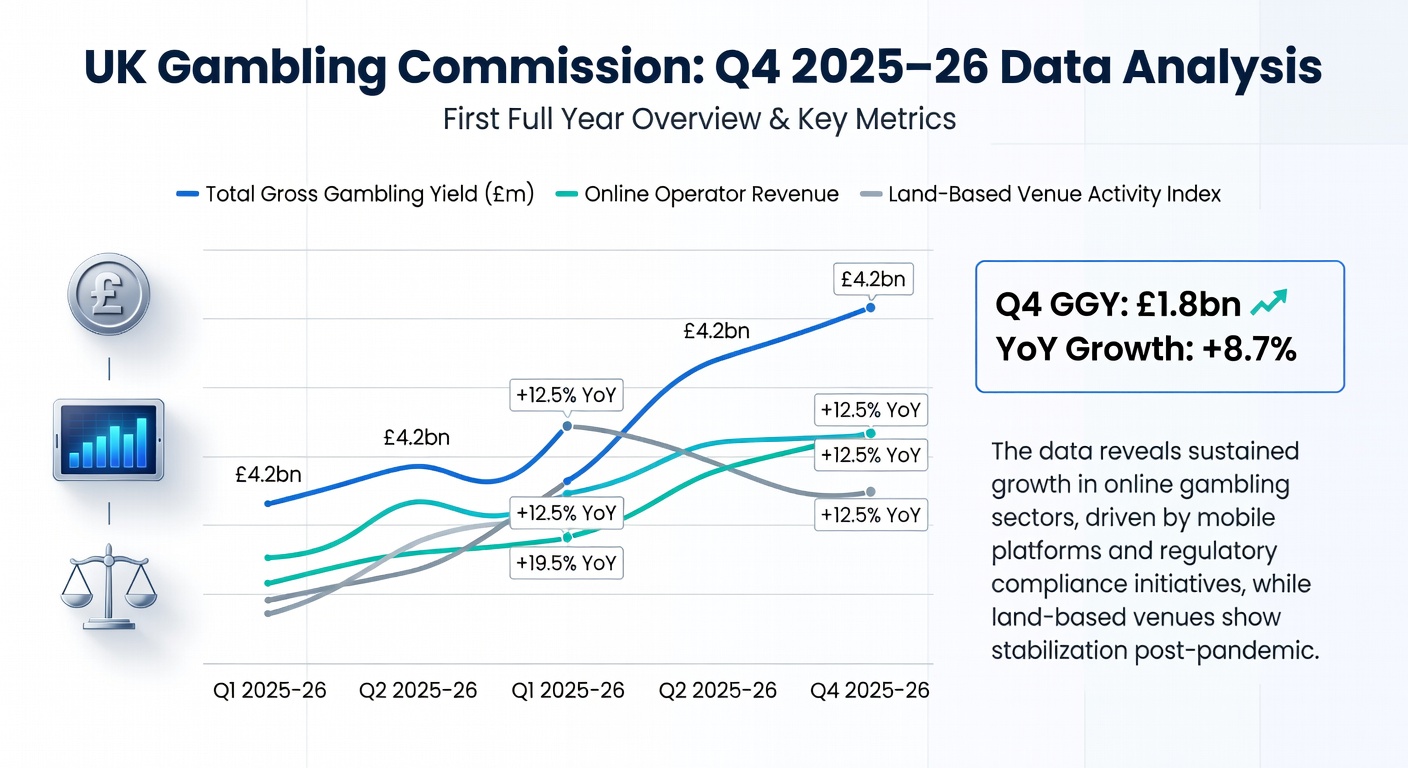
Figures reveal the scale: 2.3 million unique UK visitors per month on average across those peak winter months, with spikes tied to holiday-season promotions that dangled free spins and deposit matches. These numbers dwarf many licensed competitors, showing how the sites exploited SEO tricks and affiliate networks to dominate searches for "no verification casinos" or "GamStop alternatives." People often find themselves drawn in after hitting self-exclusion limits on regulated platforms, only to land on these bypasses that register new accounts without cross-checks, effectively nullifying GamStop's database of over 100,000 excluded players at the time.
What's interesting is the precision targeting; analytics from the investigation showed ads geo-fenced to UK IP ranges, popping up on social media and football forums where vulnerable groups congregate, promising slots without the "hassle" of ID checks or limits. And yet, while GamStop relies on voluntary operator compliance, these illicit hubs ignored it entirely, using proxy logins and VPN-friendly designs to let excluded players dive right back in—sometimes racking up losses in the thousands before reality hit. Similar evasion patterns have drawn scrutiny from bodies like the European Gaming and Betting Association, whose reports highlight how offshore networks mirror these UK-focused tactics across the continent.
Slot Games at the Core of the Lure
Rise of Merlin and Golden Piggy Farm stood out as top draws, their vibrant reels and bonus rounds hyped across the network's homepages and email blasts to UK audiences. Developers behind these titles—often unlicensed aggregators—pushed high-volatility mechanics that teased mega wins, with Merlin's magic multipliers and the farm's piggy bank jackpots reeling in players chasing that one big hit. Data from visitor logs shows sessions stretching hours, fueled by auto-play features and "bonus buy" options that accelerated spending without pauses.
Those who've studied slot engagement patterns point out how such games, absent fairness certifications, skewed RTPs below advertised levels; one case pulled from the probe detailed a player dropping £15,000 in a weekend on Golden Piggy Farm variants, enticed by fake testimonials claiming six-figure payouts. Turns out the network cross-promoted these across sites, using shared wallets so losses on one flowed straight to another's slots, keeping the churn high. It's noteworthy that amid April 2026's ongoing scrutiny, experts flag these exact titles in warnings, as their popularity persists on gray-market mirrors still surfacing in UK searches.
Harms Unfolding from the Shadows
Fraud topped the damages, with chargebacks spiking as players realized rigged outcomes and frozen funds; financial harm rippled wider, pushing some into debt spirals that strained families and triggered credit warnings. But the starkest toll came in human terms—at least one suicide tied directly to losses on Velobet, where the victim had bypassed GamStop just weeks prior, pouring savings into Merlin slots amid escalating desperation. Reports compiled in the investigation catalog dozens more near-misses, including bankruptcies and thefts funded by gambling debts from MyStake binges.
Researchers digging into victim statements found common threads: sites bombarded losers with recovery bonuses, urging "one more spin" to chase deficits, a tactic that prolonged addiction without safeguards like session timers or reality checks. And while licensed operators must report suspicious activity, these networks vanished complaints into voids, leaving players isolated. Parallels emerge in studies from places like Australia's ACMA, where authorities track comparable harms from unlicensed Asian operators targeting locals, underscoring the global echo of such UK-centric schemes.
Political Push and Funding Lifeline
Labour MP Alex Ballinger stepped up amid the revelations, urging the Gambling Commission to deploy full resources against the network, highlighting in parliamentary questions how 2.3 million visits signaled a crisis breaching national protections. His call landed as the regulator announced £26 million in new funding specifically for hunting illicit operators, earmarking tools like AI traffic monitors and international partnerships to dismantle setups like Santeda's. Now, with April 2026 budgets locked in, teams ramp up site blocks and asset freezes, targeting Upgaming's Georgian nodes first.
Ballinger's advocacy drew cross-party nods, with data backing his push: the network's evasion not only cost revenues but eroded trust in the broader industry, where licensed sites lose players to flashier illicit rivals. Observers note this funding—up sharply from prior years—positions enforcers to trace payment trails back to the businessmen, potentially leading to sanctions that deter copycats.
Conclusion
The probe into MyStake, Velobet, Goldenbet, and their Santeda-Upgaming backbone lays bare a brazen assault on UK gambling safeguards, where 2.3 million monthly visitors fueled slots like Rise of Merlin amid GamStop dodges and unchecked harms. With MP Ballinger's urgings met by £26 million in firepower, the path ahead tests regulators' reach across borders; yet as these sites adapt with fresh domains, the reality is clear—persistent vigilance remains key to shielding players from the next shadow network lurking online. Data from the investigation ensures this story resonates, pushing for closures that safeguard the vulnerable long-term.